

Quantitative bone density from CBCT
simdensity enables precise measurement of bone density (g/cm³) directly from CBCT scans.
simdensity indicates quantitative bone density at the selected treatment site using calibrated analysis of CBCT imaging data.
The result is expressed in physical units of g/cm³, allowing clinicians to work with objective density values instead of grayscale interpretation alone
The system combines a density calibration phantom, proprietary software and cloud-based analysis to generate standardized density measurements from CBCT scans.

simdensity.com
Interface
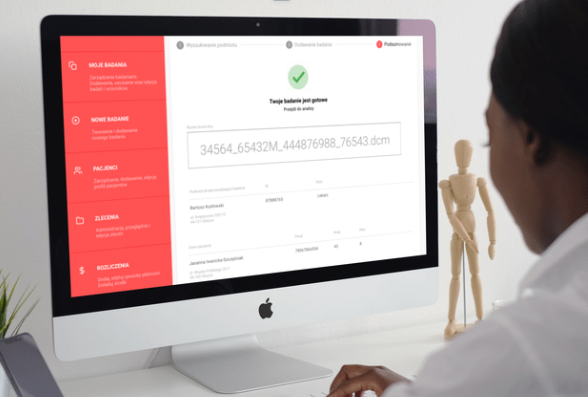
Modern, intuitive interface accessible through any web browser.
The system requires no local software installation and is designed for seamless use in clinical environments and future software integrations.
Access model

For clinical users, platform access is free of charge. Payment is made only for completed density analyses.
For partners and manufacturers, simdensity can also be deployed as an API or OEM density layer integrated into existing imaging software and CBCT systems.
Density Phantom
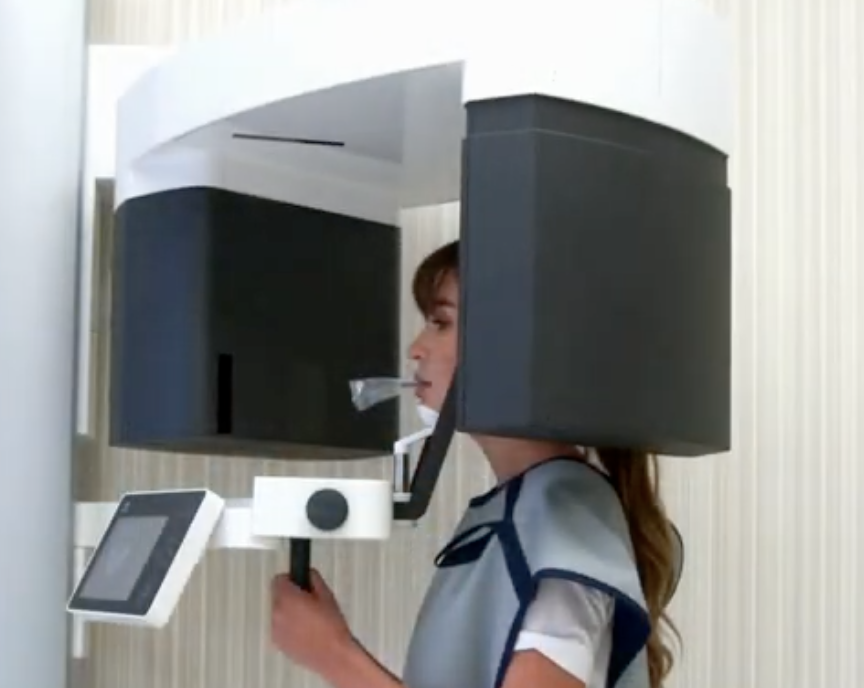
The density phantom is a critical component of the simdensity system.
It is made of calibrated composite materials representing different density ranges of bone tissue and serves as a physical reference during CBCT acquisition.
The phantom is precisely calibrated using high-resolution microtomography, enabling CBCT imaging data to be converted into physical density values expressed in g/cm³.
Without calibration, density assessment remains non-standardized. With calibration, CBCT gains a measurable density layer.
Benefits
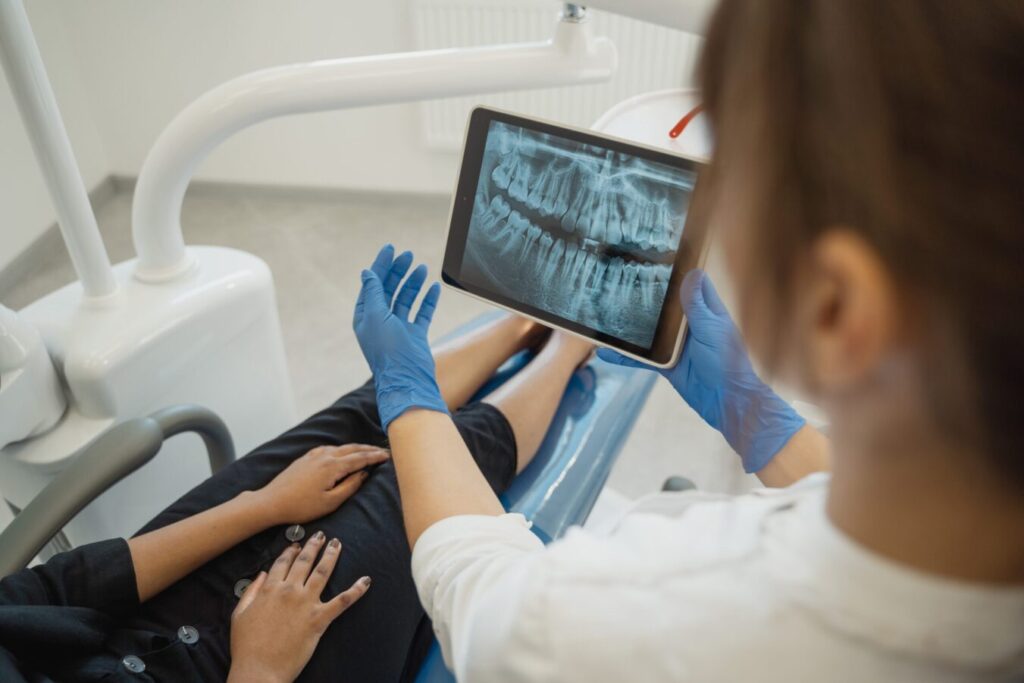
Benefits for clinicians:
- objective assessment of bone density
- improved implant planning precision
- support for data-driven treatment decisions
- faster interpretation of density-related information
- standardized documentation of density parameters
- better communication with patients

Benefits for patients:
- clearer understanding of treatment planning
- improved communication with the doctor
- greater confidence in the planned procedure
- more transparent presentation of bone-related clinical factors